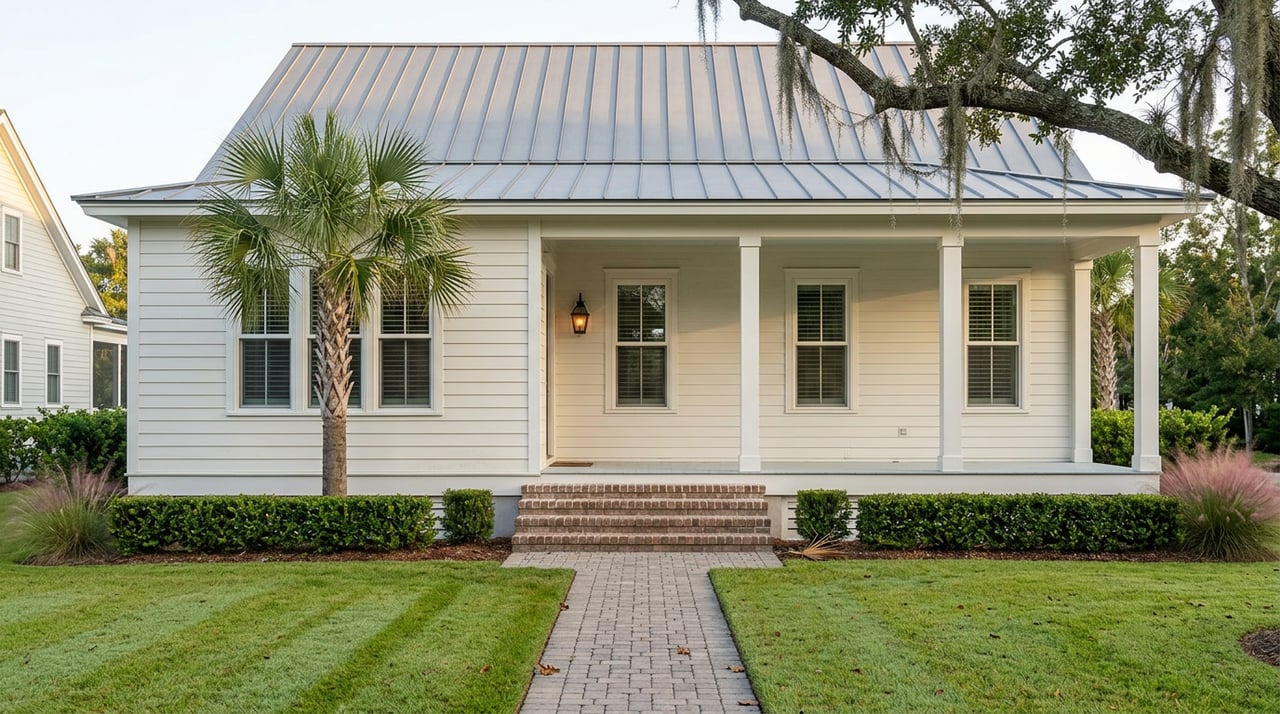
Walk North Beach before eight in the morning this week and you'll notice more roped-off sections than you remember from past Augusts, more staked flags marking incubating nests, more early risers with binoculars who are not, in fact, birders. That is not your imagination. Seabrook Island is having an unusually loud sea turtle season inside what looks, on the surface, like its quietest month.
The island's calendar this week is doing four things at once: a nesting season swinging harder than it has in years, a stormwater project inching toward completion, a tournament two months out that is already recruiting volunteers, and a school year that starts on the 11th. None of these are dramatic on their own. Together, they explain why late summer here feels busier than it looks.
The Nest Count That Reset Expectations
Sea turtle season on the barrier islands runs May through October, and most of what residents know about it is the basic shape: females nest through summer, hatchlings emerge roughly 55 to 65 days later. What that framework doesn't capture is how much the numbers swing year to year, and 2026 has been a genuine swing.
Just up the coast, Kiawah Island's Turtle Patrol reported nearly 500 nests as hatchling season began, a count that patrol veteran Alison Frey called a banner year, one that surpassed the previous second-best season in 2022. The contrast that makes the number worth noting is what came before it. The patrol had just come off one of its leanest years on record, with roughly 200 nests, low enough that some volunteers barely got to work a single activity.
That kind of volatility matters for anyone who actually lives here, because it changes what an early morning walk looks like this month compared to last. More nests laid in May and June means more hatch windows converging in August, more staked-off zones along the sand, and more of the quiet choreography that keeps hatchlings safe: dimmed porch lights facing the beach, fewer holes left undug at dusk, more patience around markers you might otherwise step past without a second look.
Seabrook Island runs its own patrol, separate from Kiawah's but working the same stretch of coast. The Seabrook Island Turtle Patrol identifies and protects nests along the island's beaches and keeps its own inventory through the season. Whether Seabrook's count tracked Kiawah's swing as closely is something only the patrol's own tally will show by season's end, but the pattern next door is the clearest local evidence that this year's hatch season has more happening in it than a typical August.
A Week Where Four Small Clocks Overlap
Pull the island's own calendar for early August and the density becomes obvious. None of these events are large by themselves. Stacked together, they are the reason the island feels like it's turning a corner all at once.
| Date | What Happened or Happens Next |
|---|---|
| Aug 5 | Final Chow Town food truck rodeo of the summer took over the Town Hall parking lot, 5 to 8 p.m. |
| Aug 7 | This month's Brown and White bulk item pickup, curbside by 7 a.m. |
| Aug 7 to 9 | South Carolina's annual sales tax holiday, running through this weekend |
| Aug 11 | School starts, kicking off the first steps of Backpack Buddies Seabrook Island's fall food-delivery program |
Individually, each of these is routine. The Town's own Chow Town schedule has run monthly since May, and Backpack Buddies has been part of island life long enough that the mechanics are familiar to most residents: once students are identified and permission forms are in, deliveries resume in September. What's notable is how tightly this particular window compresses the season's turn. The last food truck night of the summer, the month's bulk pickup, and the paperwork behind a charity that will run through the school year have all landed inside the same six days.
Construction the Brochures Don't Show You
The visible parts of Seabrook Island, the golf courses, the beach club, the marsh views, are not where the island's most consequential work is happening right now. That's underground and along the roadways, as part of a joint Master Plan process between the Seabrook Island Property Owners Association, the Seabrook Island Club, and the Town.
Construction on Old Forest Drive is finished. The project replaced an undersized pipe with a larger box culvert to improve water flow between two of the island's finger lake ponds, and the road is back open to vehicle and pedestrian traffic, according to SIPOA's own project updates. A related stormwater outfall excavation from Oyster Catcher Drive into the marsh has been underway alongside it, part of the same push to shore up drainage before the wetter months arrive.
These are the kind of projects that rarely make it into a listing description, but they're the ones that determine how well the island handles the next heavy rain. They also sit inside a longer-running Master Plan process among SIPOA, the Seabrook Island Club, and the Town, one that is separately weighing updates to the Lake House, the Oyster Catcher Community Center, and the racquet complex over the next several years.
Volunteers Are Already Working Toward October
If the turtle count and the construction updates are this month's evidence of a busier-than-usual year, the Fleming Open is next month's. Seabrook Island's Racquet Club has hosted the tournament since 1981, and the 42nd annual event returns October 6 through 11, 2026. What makes this year different is the recognition behind it: the tournament received the International Tennis Federation's 2025 Tournament Recognition Award for outstanding player experience, and its singles and doubles events have been elevated to a USTA Level 2-sanctioned tournament for 2026, according to reporting from Lucky Dog Publishing's Island Connection. Organizers expect 350 to 400 players from across the country and abroad.
Tournament Director Laura Ferreira and Tournament Chair Mary Anne Rayfield are already recruiting the volunteers who staff registration, court maintenance, and hospitality, and registration itself opened in late July, more than two months before the first match. That lead time is normal for an event this size, but it means the island's volunteer network is already in motion this month, well before the courts fill in October.
What the Overlap Actually Means
None of these four threads, the turtle count, the Chow Town wind-down, the stormwater work, the tournament prep, would make much of a story alone. What's worth noticing is that they're converging in the same narrow window, and that the biggest of them, the nesting swing, is genuinely unusual rather than a repeat of last year's pattern. A season that goes from roughly 200 nests to near 500 on the island next door doesn't happen on a predictable schedule, and it's arriving at the same time the island is finishing infrastructure work and building toward its most recognized annual event. That kind of convergence is worth knowing if you live here, because it's not the version of August you'll find repeated on the usual visitor calendars.
If you're weighing a move to Seabrook Island, or you already call it home and want a clearer read on how the island's rhythms affect property values, the team at Smith and Ryan Group can walk you through what these seasonal patterns mean for your specific stretch of beach or marsh frontage. Request a private tour or a complimentary home valuation to start the conversation.